
Silver Appleyard Ducks
Silver Appleyards are a highly sought after heritage breed. We love their docile temperament, friendly nature and overall cheery disposition.
Conservation Status: Classified as “threatened” on the Priority List of The Livestock Conservancy, and protected by the Rare Breeds Survival Trust (UK).
History: Reginald Appleyard was a skilled poultry breeder with a project for a great all-round utility and farmyard duck. He aimed for a beautiful breed of duck, with a “combination of beauty, size, lots of big white eggs, white skin, and deep, long, wide breasts.” Appleyard ducks are based on a cross between the large breeds of Rouen, Pekin and Aylesbury. Appleyard died before the standard was accepted formally in 1982.
Popular Use: Dual purpose for meat and eggs. Also valued as a show breed due to beautiful ornamental plumage.
Egg Color: White.
Egg Size: 2.5–3.7 oz. (57–85 g).
Productivity: 200–270 eggs per year. The large breed is fast growing and maturing, with flavorsome, lean meat and a full meaty breast.
Weight: Drake 8–10 lb. (3.6–4.5 kg); duck 7–8 lb. (3.2–3.6 kg). U.S. miniatures: 30–38 oz. (0.9–1 kg). British miniatures: drake 3 lb. (1.4 kg); duck 2.5 lb. (1.2 kg).
Temperament: Calm and easily tamed. They are active foragers with a large appetite who settle in where they are well fed.
Adaptability: Silver Appleyard ducks need plenty of land to forage, and a good quantity of well-balanced feed to lay well. They also need water to bathe. Females normally incubate their own eggs and have good maternal instincts.
The Silver Appleyard breed standard still closely follows this interesting painting by animal artist Ernest George Wippell, commissioned in 1947.
The painting actually was done from carcasses sent in the mail, so the birds had an odd stance.
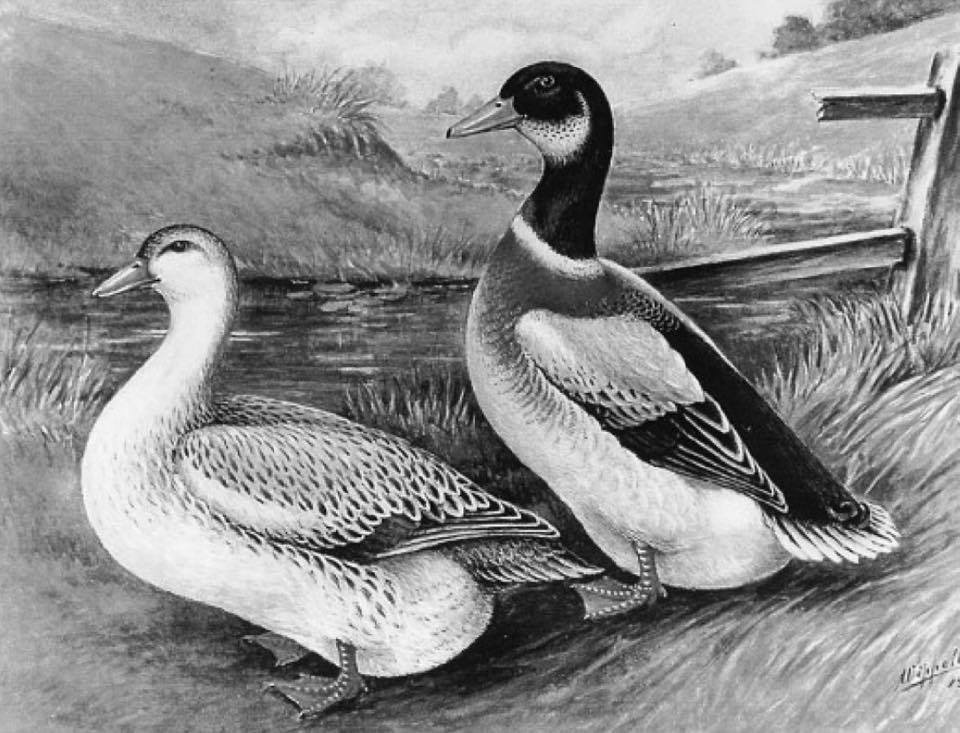
E.G. Wippel painting image sourced from the British Waterfowl Association

Our original drake, Jasper has a pure emerald green head
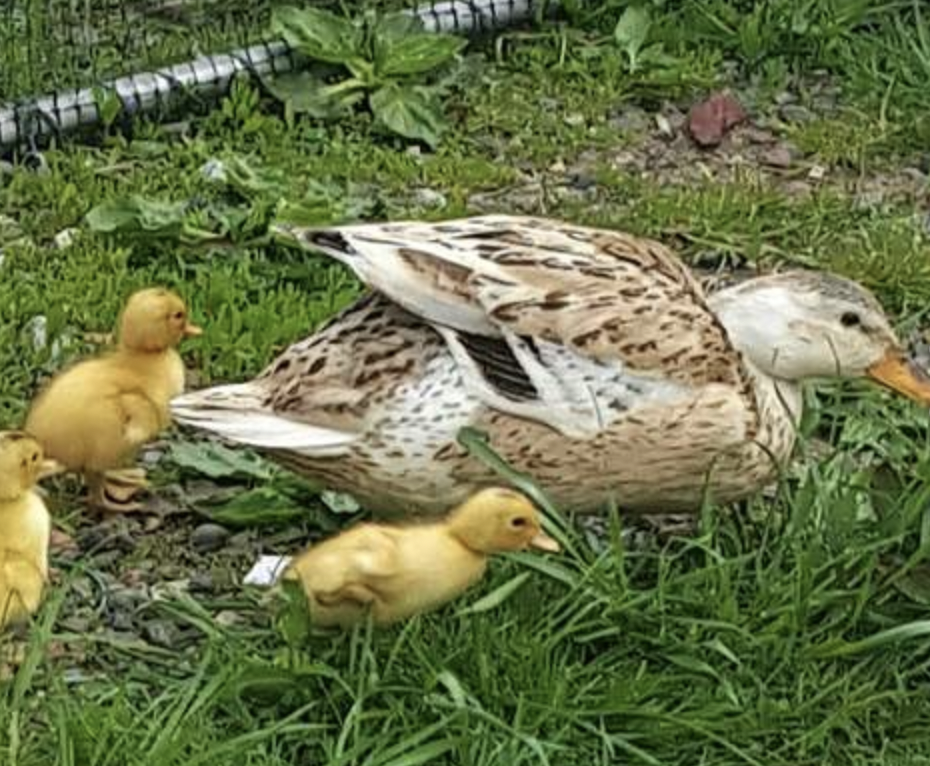
Image sourced from omlet.com
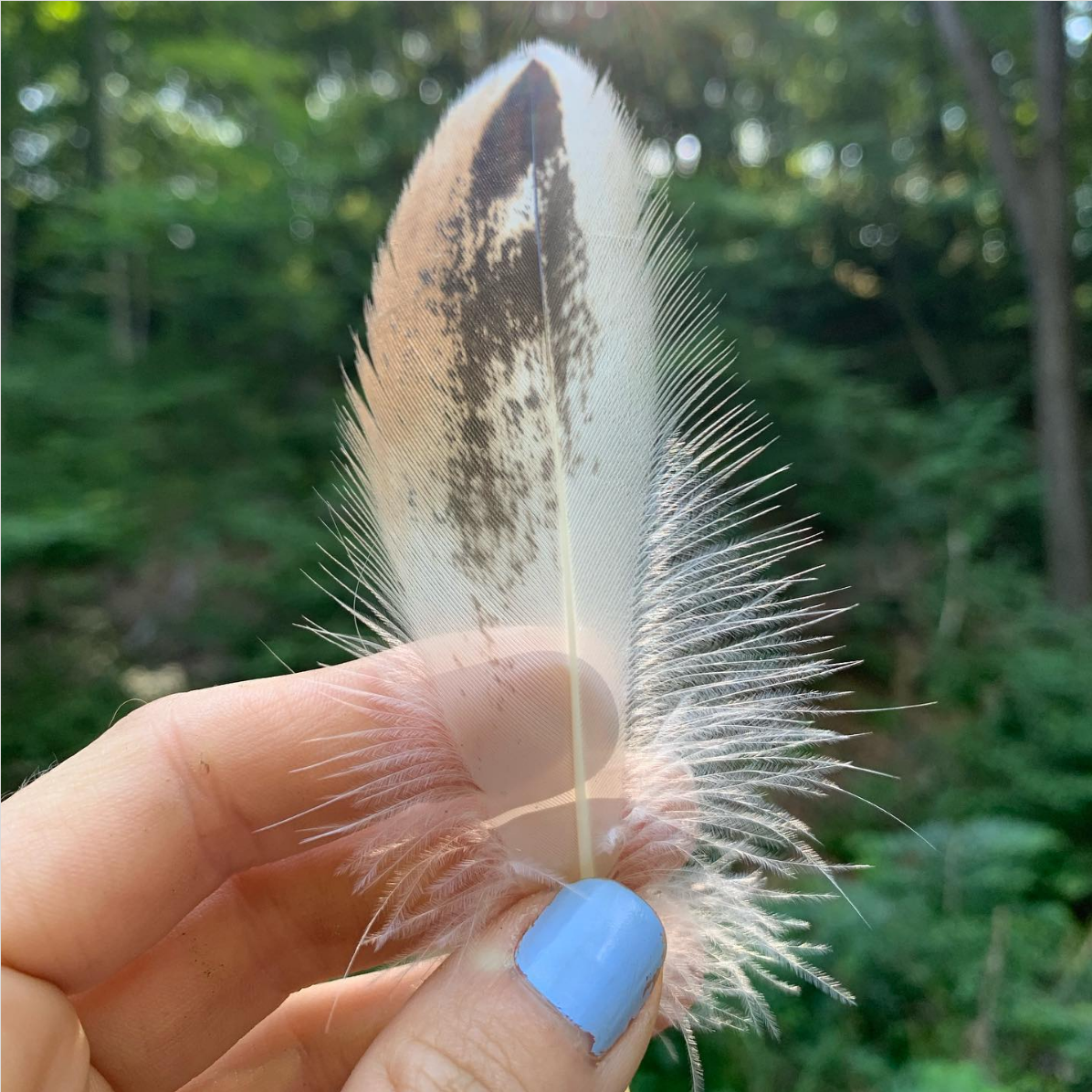
Colorful Silver Appleyard feather

Adolescent Silver Appleyard girls
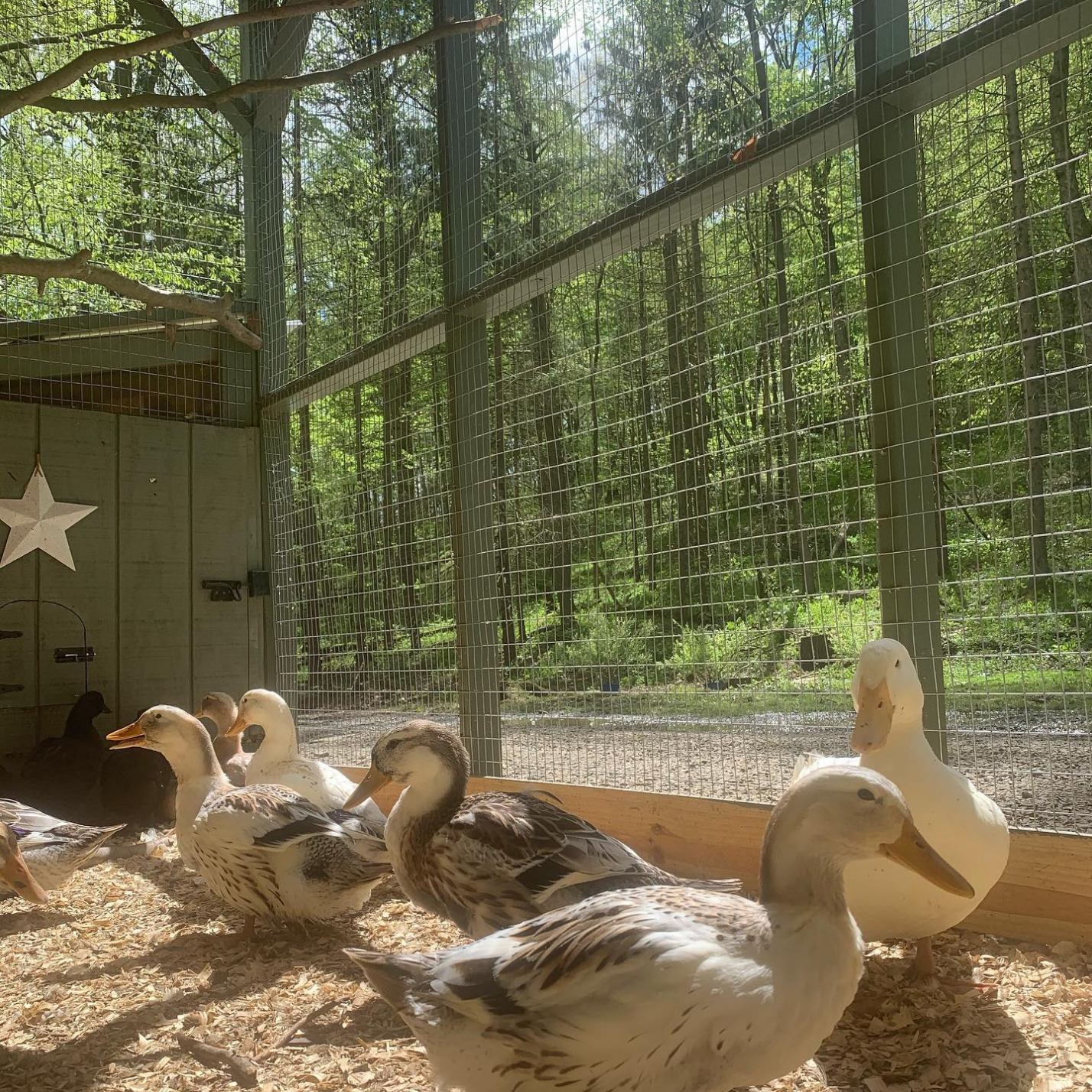
Happy girls in the morning!
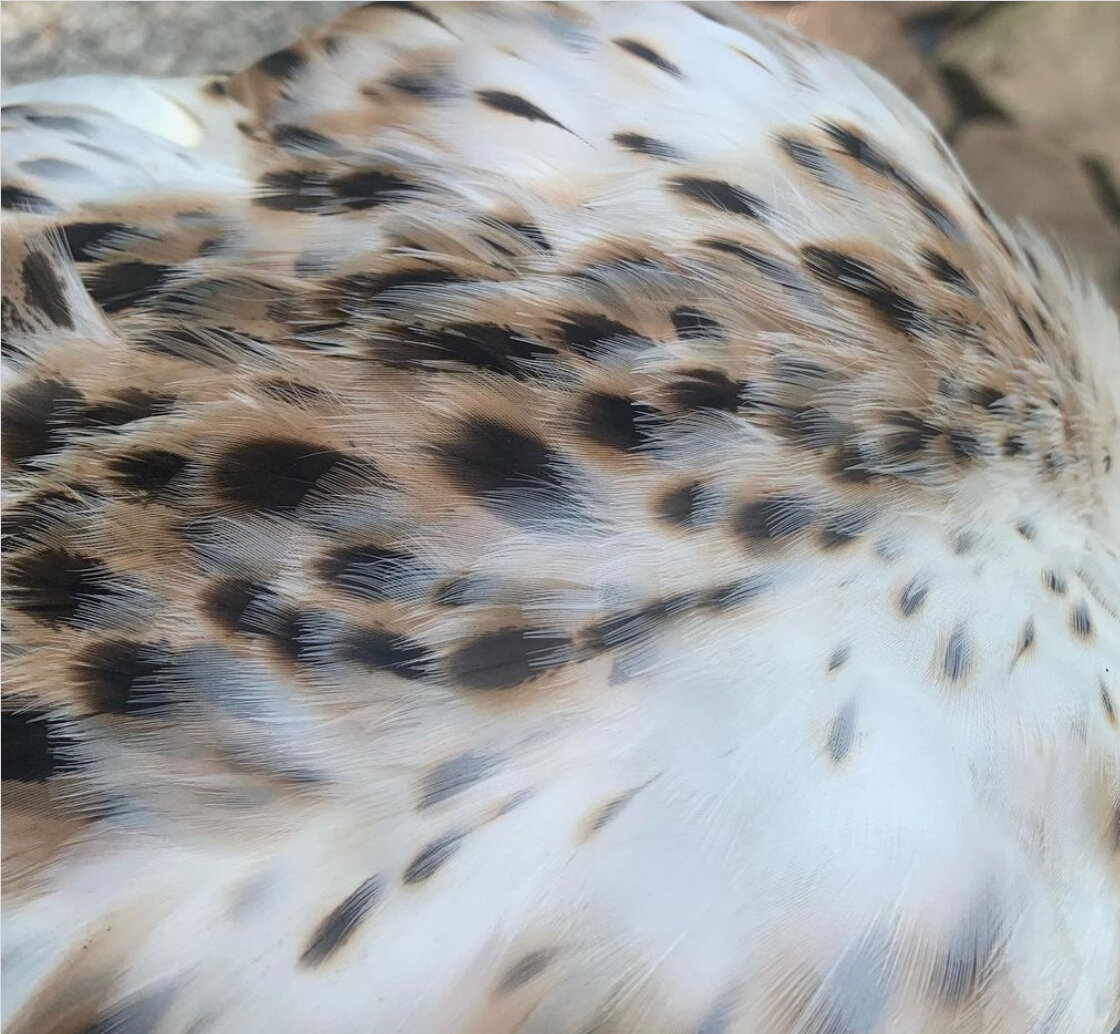
Silver Appleyard feather closeup
Information sourced from: Storey’s Guide to Raising Ducks, Storey’s Illustrated Guide to Poultry Breeds, & British Waterfowl Association